
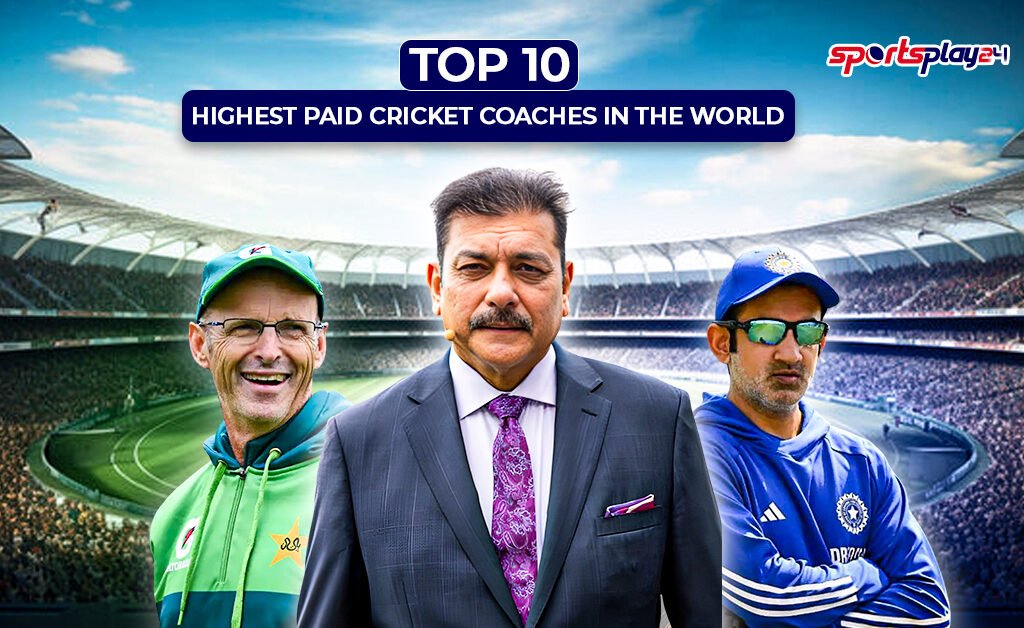
Cricket isn’t just about star players. Behind every great team is an equally formidable coach. In 2026, the coaching landscape has evolved into one of the most lucrative arenas in the sport, with experienced mentors commanding huge salaries and global recognition. From World Cup-winning strategists to innovative leaders shaping modern cricket, the Top 10 Highest Paid Cricket Coaches in the World showcase both financial success and elite expertise. Curious who earns the most and what factors drive these impressive paychecks? Dive into the next section to uncover the rankings, contracts, and stories behind cricket’s richest coaches.
How Much Do Cricket Coaches Earn in 2026?
Cricket coaching salaries depend on:
- Team performance and rankings
- Experience and international reputation
- Contract duration
- Cricket board financial strength
- Multi-format responsibilities (Test, ODI, T20)
Top cricket coaches now earn between ₹2.49 Crore to ₹24.9 Crore annually.
Top 10 Highest Paid Cricket Coaches in 2026 (Ranked)
| Rank | Coach Name | Team | Estimated Annual Salary (USD) | Country |
| 1 | Rahul Dravid | India | ₹27.28 crore | India |
| 2 | Brendon McCullum | England | ₹22.73 crore | England |
| 3 | Andrew McDonald | Australia | ₹18.19 crore | Australia |
| 4 | Gary Kirsten | Pakistan | ₹16.37 crore | Pakistan |
| 5 | Mickey Arthur | Sri Lanka | ₹13.64 crore | Sri Lanka |
| 6 | Chandika Hathurusingha | Bangladesh | ₹10.91 crore | Bangladesh |
| 7 | Grant Bradburn | Afghanistan | ₹9.09 crore | Afghanistan |
| 8 | Russell Domingo | South Africa | ₹8.18 crore | South Africa |
| 9 | Chris Silverwood | West Indies | ₹7.73 crore | West Indies |
| 10 | Tom Moody | IPL (Franchise) | ₹7.28 crore | India (IPL) |
Note: Salaries are estimated based on publicly available reports and industry sources.
1. Rahul Dravid – India
- Salary: Approx. ₹24.9 Crore per year
- Former Indian captain and legendary batsman
- Head coach of Team India across formats
- Led India to major ICC tournament finals
Dravid remains the highest-paid cricket coach in 2026 due to India’s financial power and his strong leadership record.
2. Brendon McCullum – England
- Salary: ₹20.75 Crore
- Known for aggressive “Bazball” strategy
- Revamped England’s Test approach
- Former New Zealand captain
McCullum’s innovative style transformed England’s red-ball cricket.
3. Andrew McDonald – Australia
- Salary: ₹16.6 Crore
- Guided Australia to ICC success
- Strong tactical background
- Focus on disciplined cricket culture
Australia continues to invest heavily in elite coaching.
4. Gary Kirsten – Pakistan
- Salary: ₹14.94 Crore
- Previously coached India to World Cup victory
- Renowned batting consultant
- Experienced international strategist
Kirsten remains one of the most respected coaches globally.
5. Mickey Arthur – Sri Lanka
- Salary: ₹12.45 Crore
- Former coach of Australia and Pakistan
- Specialist in rebuilding teams
6. Chandika Hathurusingha – Bangladesh
- Salary: ₹9.96 Crore
- Helped Bangladesh reach new competitive levels
7. Grant Bradburn – Afghanistan
- Salary: ₹8.3 Crore
- Focused on developing emerging cricket nations
8. Russell Domingo – South Africa
- Salary: ₹7.47 Crore
- Known for structured team management
9. Chris Silverwood – West Indies
- Salary: ₹7.055 Crore
- Former England coach
- Emphasis on bowling performance
10. Tom Moody – IPL Franchise Coach
- Salary: ₹6.64 Crore
- Experienced IPL strategist
- Former Australian all-rounder
Why Are Cricket Coaches Paid So Much?
Here’s why top cricket coaches earn millions:
- Media pressure and global visibility
- Multi-format strategy management
- Player development responsibility
- ICC tournament preparation
- Sponsorship and brand influence
Cricket boards see coaching as an investment, not an expense.
Comparison: Coaching Salaries by Country (2026)
| Country | Average Coach Salary |
| India | ₹27.28 crore |
| England | ₹22.73 crore |
| Australia | ₹18.19 crore |
| Pakistan | ₹16.37 crore |
| Sri Lanka | ₹13.64 crore |
India remains the highest-paying cricket board globally.
Conclusion
The Top 10 Highest-Paid Cricket Coaches in the World highlight how modern cricket values leadership, strategy, and experience as much as on-field talent. In 2026, cricket coaching salaries reflect the growing commercial power of international cricket, major leagues, and global tournaments. From World Cup-winning mentors to franchise league masterminds, these coaches play a crucial role in shaping team success and long-term performance.
As cricket continues to expand worldwide, coaching contracts are expected to rise even further. If you want to stay updated on cricket salaries, team management trends, and sports finance insights, keep exploring our latest rankings and in-depth analyses.

