

Test cricket is often associated with patience and long battles, but history has shown that it can also deliver breathtaking speed. The Fastest Double Centuries in Test Cricket History are perfect examples of how skill, intent, and fearlessness can completely change the tempo of a match. From explosive stroke play to record-breaking innings achieved in minimal balls, these performances stunned opponents and thrilled fans worldwide.
In this blog, we will explore the fastest double centuries ever scored in Test cricket, the players behind them, and the moments that redefined attacking batting. Read on to uncover the innings that rewrote the record books.
Fastest Double Centuries in Test Cricket History
| Player | Country | Opponent | Balls Taken | Year |
| Nathan Astle | New Zealand | England | 153 balls | 2002 |
| Ben Stokes | England | South Africa | 163 balls | 2016 |
| Virender Sehwag | India | Sri Lanka | 168 balls | 2009 |
| Virender Sehwag | India | Pakistan | 182 balls | 2006 |
| Brendon McCullum | New Zealand | India | 186 balls | 2014 |
| Adam Gilchrist | Australia | Zimbabwe | 200 balls* | 2006 |
| Chris Gayle | West Indies | South Africa | 211 balls | 2005 |
| Kumar Sangakkara | Sri Lanka | Bangladesh | 225 balls | 2014 |
| Jacques Kallis | South Africa | Zimbabwe | 231 balls | 2005 |
| Mahela Jayawardene | Sri Lanka | South Africa | 235 balls | 2006 |
1. Nathan Astle (New Zealand)
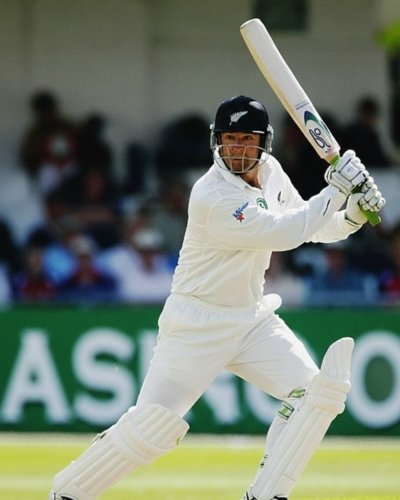
Nathan Astle holds the record for the fastest Test double century in cricket history, reaching 200 in just 153 balls against England in 2002. Batting in Christchurch, Astle produced one of the most brutal counterattacks ever seen, smashing boundaries at will.
Astle’s innings completely shifted the momentum of the match and stunned both bowlers and spectators. His fearless approach redefined aggressive batting in Test cricket. Even years later, the knock is remembered as a benchmark for attacking brilliance in the longest format.
| Player | Nathan Astle |
| Country | New Zealand |
| Balls to 200 | 153 |
| Achievement | Fastest double century in Test cricket history |
This innings redefined aggressive batting in Tests and remains untouched more than two decades later.
2. Ben Stokes (England)

Ben Stokes stunned South Africa in 2016 with a double century off 163 balls, the fastest by an England player. His innings featured fearless stroke play and relentless pressure on the bowlers.
Stokes’ innings showcased his ability to dominate world-class bowling under pressure. The explosive knock highlighted his all-round match-winning impact. It remains one of the most aggressive displays by an England batter in Test cricket.
| Player | Ben Stokes |
| Country | England |
| Balls to 200 | 163 |
| Achievement | Fastest Test double century by an English batter |
3. Virender Sehwag (India – vs Sri Lanka)
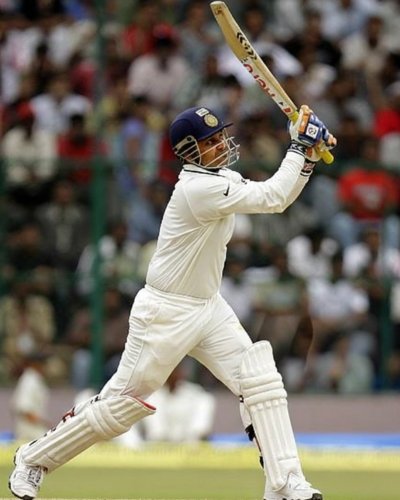
Virender Sehwag’s approach was simple—see ball, hit ball. His 200 against Sri Lanka in 2009 came in just 168 balls, showcasing his unmatched ability to dominate bowlers from the first delivery.
Sehwag’s innings set the tone for India’s dominance in the match. His effortless boundary-hitting drained the bowlers’ confidence early. The knock perfectly reflected his natural attacking mindset in Test cricket.
| Player | Virender Sehwag |
| Country | India |
| Balls to 200 | 168 |
| Achievement | One of the fastest double centuries in Tests |
4. Virender Sehwag (India – vs Pakistan)
Sehwag appears again on the list for his iconic 200 against Pakistan in 2006, reached in 182 balls. Against a fierce attack, he batted with audacity rarely seen in Test cricket.
Sehwag’s fearless batting neutralized a high-quality bowling attack with ease. His intent never dropped, even against intense pressure. The innings remains one of the boldest performances in Test cricket history.
| Player | Virender Sehwag |
| Country | India |
| Balls to 200 | 182 |
| Achievement | Only player with multiple fastest Test double centuries |
5. Brendon McCullum (New Zealand)
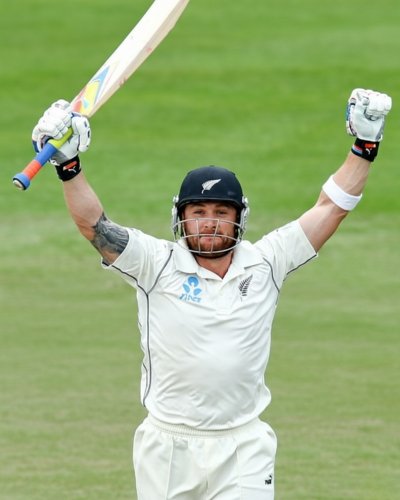
Brendon McCullum’s double century against India in 2014 came in 186 balls, reflecting his philosophy of positive, attacking cricket that later shaped New Zealand’s modern Test identity.
McCullum’s knock set the tempo for New Zealand’s aggressive brand of Test cricket. He attacked from the outset and kept the fielding side under constant pressure. That innings later became a blueprint for the team’s fearless playing style.
| Player | Brendon McCullum |
| Country | New Zealand |
| Balls to 200 | 186 |
| Achievement | Set the tone for aggressive Test cricket |
6. Adam Gilchrist (Australia)
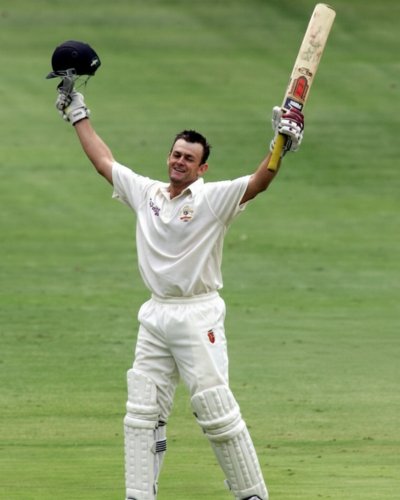
Adam Gilchrist revolutionized the role of a wicketkeeper-batter. His rapid double century against Zimbabwe in 2006 arrived in around 200 balls, combining power with clean striking.
Gilchrist’s innings underlined how destructive a wicketkeeper could be at the top level. He maintained a relentless tempo without compromising technique. The knock further cemented his reputation as a true game-changer in Test cricket.
| Player | Adam Gilchrist |
| Country | Australia |
| Balls to 200 | ~200 |
| Achievement | Fastest double century by a wicketkeeper |
7. Chris Gayle (West Indies)
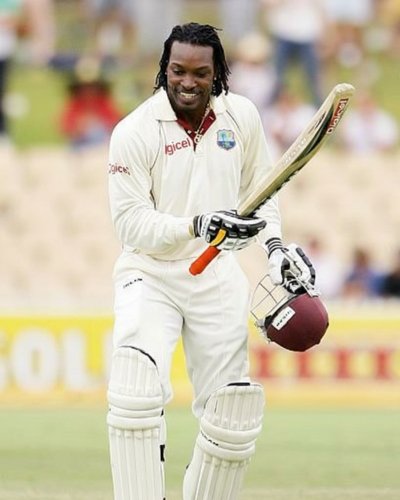
Chris Gayle’s double hundred against South Africa in 2005 took 211 balls and showcased his trademark six-hitting ability long before T20 leagues made him a global icon.
Gayle’s innings announced his arrival as a dominant power-hitter in Test cricket. He dismantled the bowling attack with brute strength and confidence. Long before the T20 era, this knock highlighted his natural flair for big hitting.
| Player | Chris Gayle |
| Country | West Indies |
| Balls to 200 | 211 |
| Achievement | Early example of power-hitting in Tests |
8. Kumar Sangakkara (Sri Lanka)
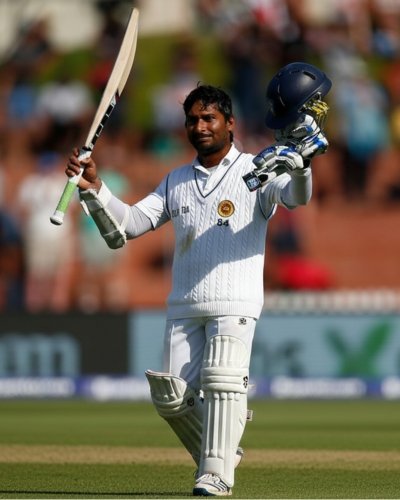
Kumar Sangakkara blended elegance with speed, scoring a double century against Bangladesh in 225 balls in 2014. His innings balanced aggression with classical Test match technique.
Sangakkara’s knock demonstrated how controlled aggression can dominate a Test match. He paced the innings perfectly while keeping the scoreboard moving. The performance stood as a masterclass in blending flair with discipline.
| Player | Kumar Sangakkara |
| Country | Sri Lanka |
| Balls to 200 | 225 |
| Achievement | Fastest double century by a Sri Lankan left-hander |
9. Jacques Kallis (South Africa)
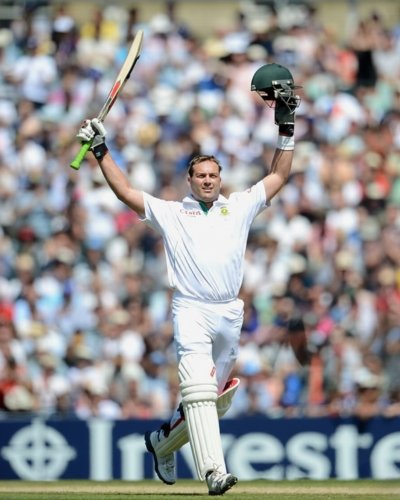
Known for reliability rather than speed, Jacques Kallis surprised many with a double century in 231 balls against Zimbabwe in 2005, proving he could accelerate when needed.
Kallis showed that patience and acceleration can coexist in Test cricket. He shifted gears smoothly once set at the crease. The innings highlighted his adaptability and understated dominance with the bat.
| Player | Jacques Kallis |
| Country | South Africa |
| Balls to 200 | 231 |
| Achievement | Rare aggressive knock in a classic career |
10. Mahela Jayawardene (Sri Lanka)
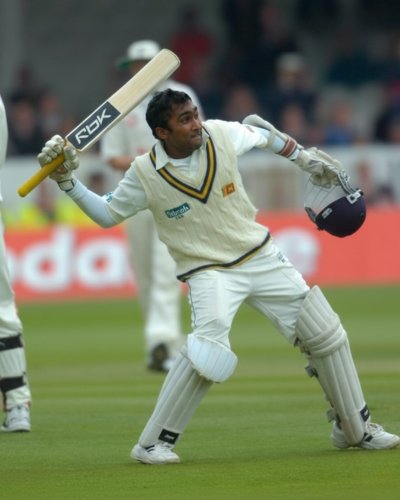
Mahela Jayawardene completed his double century against South Africa in 235 balls in 2006, playing a key role in one of the highest-scoring Test matches ever.
Jayawardene’s innings was built on precision, placement, and sharp game awareness. He capitalized on every scoring opportunity without taking unnecessary risks. The knock played a crucial part in turning the match into a historic batting spectacle.
| Player | Mahela Jayawardene |
| Country | Sri Lanka |
| Balls to 200 | 235 |
| Achievement | Part of a historic high-scoring Test |
Conclusion
The Fastest Double Centuries in Test Cricket History prove that the longest format is not slow by design it simply rewards those brave enough to challenge tradition. From Nathan Astle’s record-breaking assault to modern-day dominance by players like Ben Stokes, these innings changed how Test cricket is played and watched.
FAQ’s
1. Who scored the fastest double century in Tests?
In the Fastest Double Centuries in Test Cricket History, Nathan Astle holds the record, reaching 200 in just 153 balls against England in 2002.
2. Which country has most fastest double centuries?
Teams like Australia, India, and New Zealand feature prominently in the Fastest Double Centuries in Test Cricket History due to aggressive batting eras.
3. Can modern players break this record?
Yes. With flatter pitches and attacking mindsets, modern batters have a strong chance to challenge existing records.

