
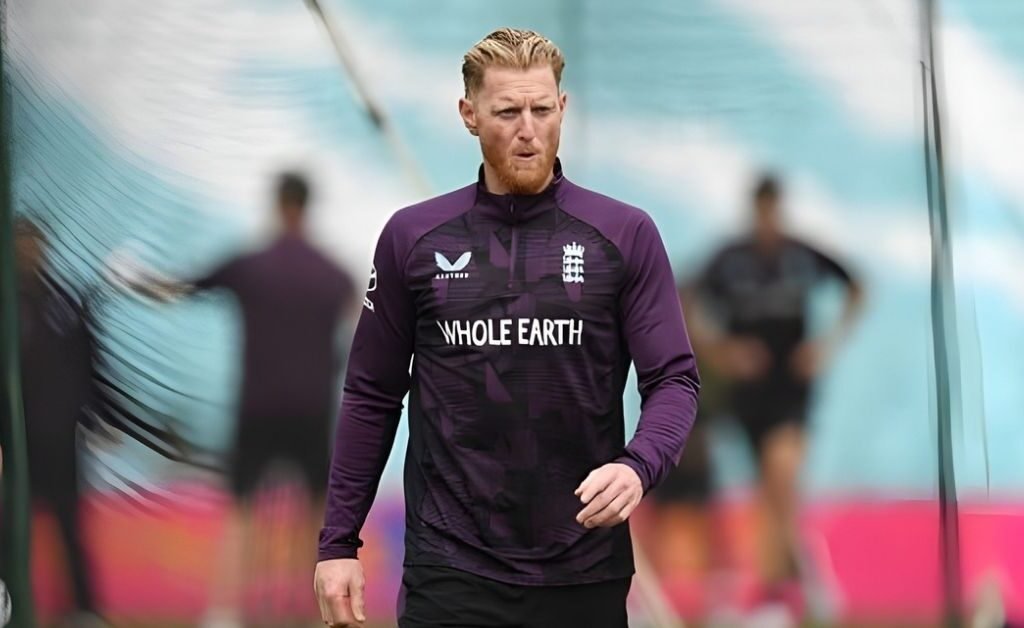
Captaincy in cricket is more than leading the toss; it’s about leadership, strategy, motivation, and shaping team identity. Across formats like Tests, ODIs, and T20Is, captains face unique challenges. This post explores Ben Stokes’ captaincy record, analyzing his performance, decisions, and impact across all three formats of international cricket.
Understanding the Formats – Test, ODI & T20I
Each cricket format offers distinct challenges for a captain, which makes comparing leadership across them tricky but also fascinating.
- Test cricket: multi‑day affairs (up to four or five days), shifts in momentum, endurance, patience and resource management all matter.
- One‑Day Internationals (ODIs): 50 overs per side — the captain must balance attack vs defence, manage fielding restrictions, pace an innings or chase.
- Twenty20 Internationals (T20Is): ultra‑fast, high‑pressure, every over counts — captains must make rapid decisions, manage bowlers for short spells, and often gamble strategically.
Key Metrics in Captaincy Records
Before we dive into the numbers, here are the metrics we’ll use (where applicable) and what they tell us:
- Matches captained
- Matches won
- Matches lost
- No‑result / tied / draw (as applicable)
- Win percentage
- Additional metric for Tests: draws — because many Test matches end in draws, which affects how you interpret win % and loss %.
Test Matches
Stokes became full‑time Test captain of the England national cricket team in 2022. Since then his record has stood out.
| Metric | Value |
| Matches captained | 37 |
| Matches won | 22 |
| Matches lost | 13 |
| Matches drawn | 2 |
| Win percentage | 59.5% |
One‑Day Internationals (ODIs)
Stokes has had much less captaincy duty in ODIs compared to Tests, so the data is sparse.
| Metric | Value |
| Matches captained | Limited appearances |
| Matches won | — |
| Matches lost | — |
| Win percentage | — |
Twenty20 Internationals (T20Is)
Similar to ODIs, Stokes’ T20I captaincy is not established in the same way as his Test captaincy.
| Metric | Value |
| Matches captained | Very limited / not full‑time |
| Win percentage | — |
Overall Captaincy Record (All Formats Combined)
| Metric | Value |
| Total matches captained | 37 (mostly Tests) |
| Total matches won | 22 |
| Total matches lost | 13 |
| Total draws / no results | 2 |
| Overall win percentage | 59.5% |
Key Take‑Aways & Insights
- Format strength: Stokes clearly shows his strongest captaincy credentials in the Test format.
- Risk‑reward philosophy: With fewer draws and a higher win‑to‑loss ratio, his leadership aligns with the Baseball approach.
- Sample size matters: Limited data in ODIs/T20Is.
- Leadership context counts: Opponents, home vs away, and playing style influence outcomes.
- Beyond the numbers: Many credit Stokes for transforming England’s mindset.
- Benchmark for future leaders: Sets a reference for modern captaincy.
Why These Records Matter for Fans & Teams
- Sign of team stability
- Reflection of tactical acumen
- Benchmark for future leaders
- Fan engagement and debates
- Selection and team planning insights
Final Thoughts
Tracking the captaincy record in Test, ODI & T20I (all formats) for Ben Stokes offers insight into how modern cricket leadership evolves. His strong Test record (≈59.5% win rate) underlines his success in the longest format, while limited white‑ball data reminds us that context matters. Stokes’ approach combines aggression, innovation, and team culture qualities that define contemporary cricket leadership.

